What are the Best Materials for Dining Table Tops?
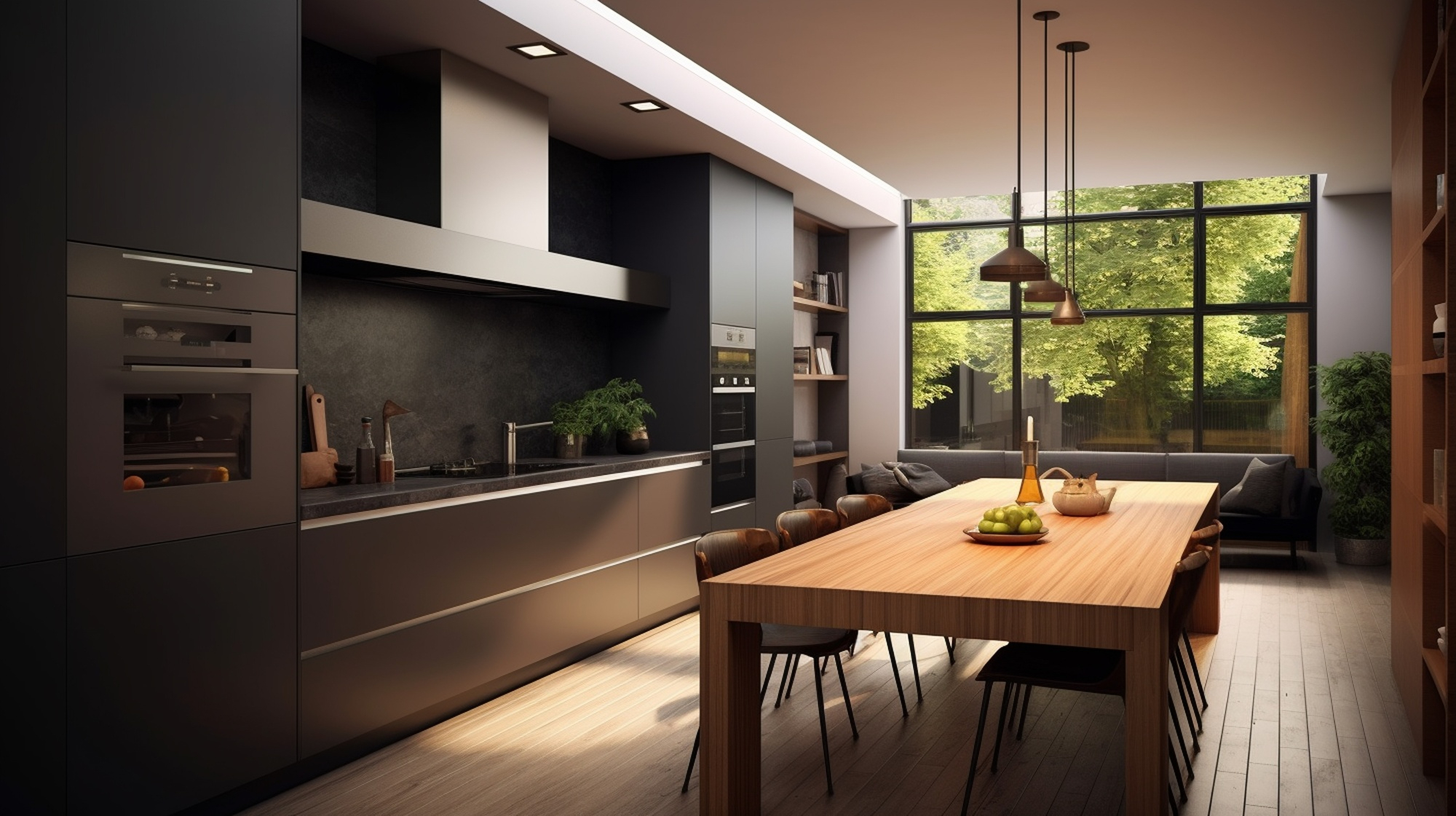
Selecting the best materials for dining table tops is crucial for both aesthetics and durability. Common choices include:
- Wood: Wood tops offer a timeless and warm look. Hardwoods like oak and walnut are durable options.
- Glass: Glass adds elegance and is easy to clean, but it can be prone to scratches and breakage.
- Marble: Marble exudes luxury and comes in various colors, but it requires regular maintenance to prevent staining.
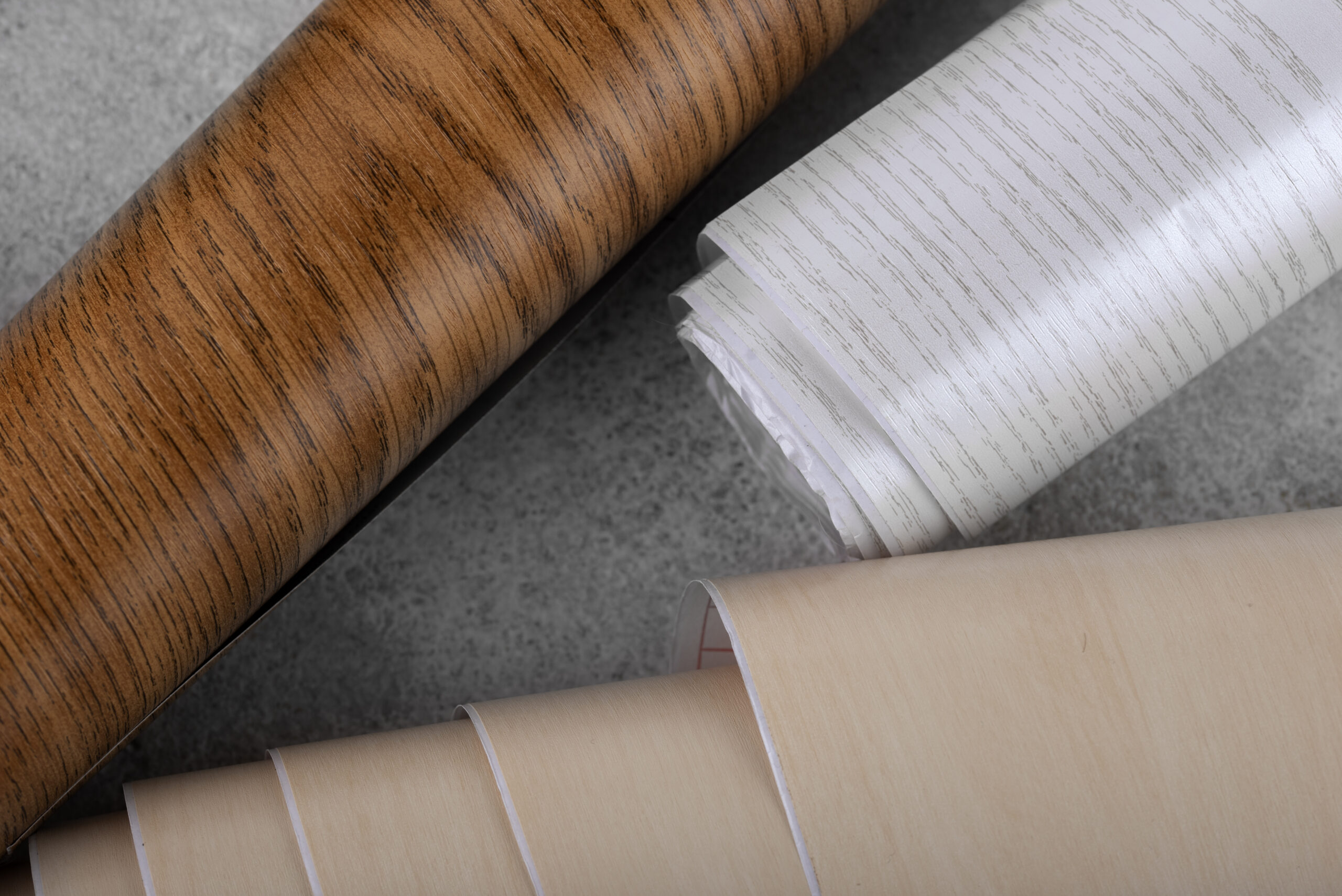
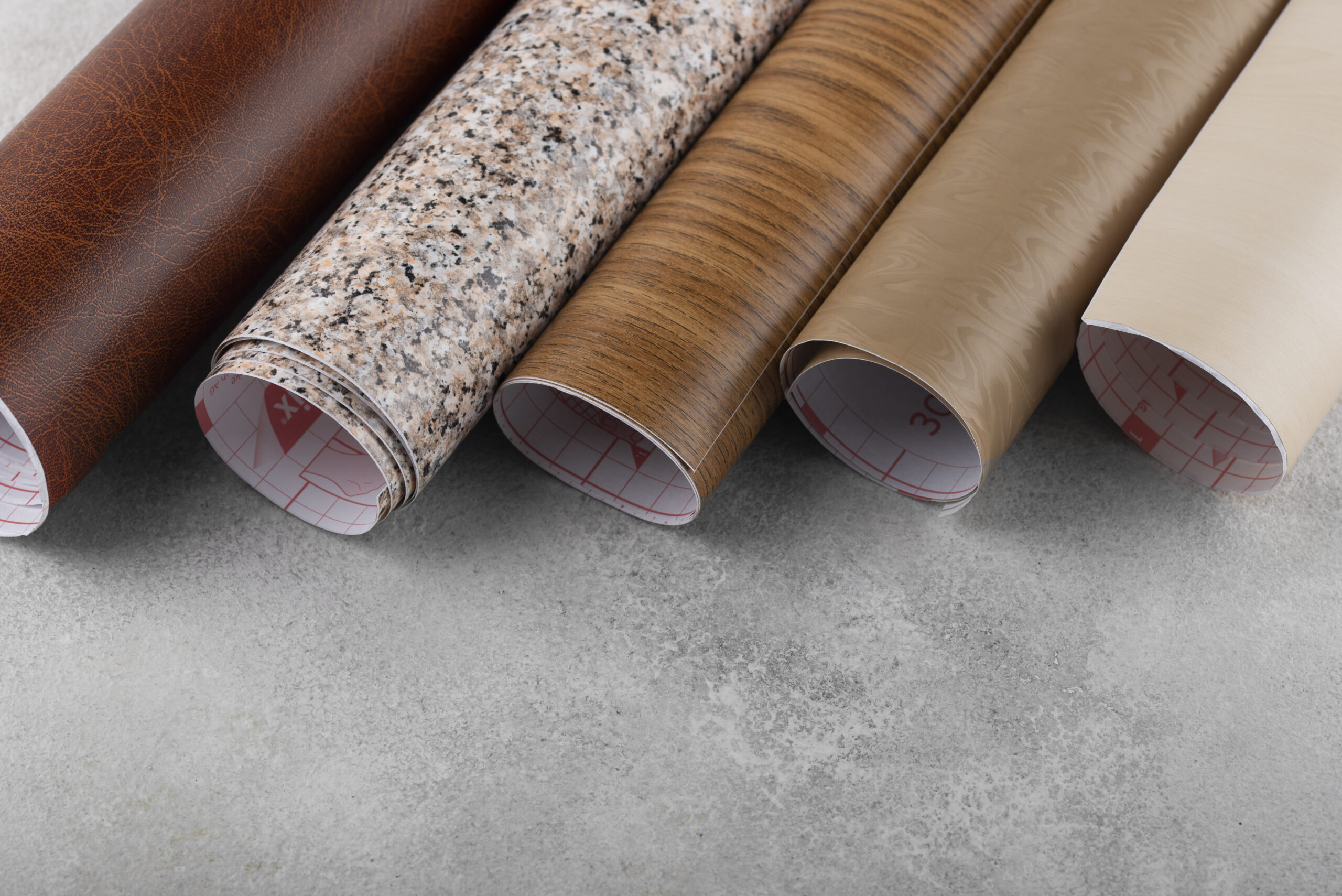
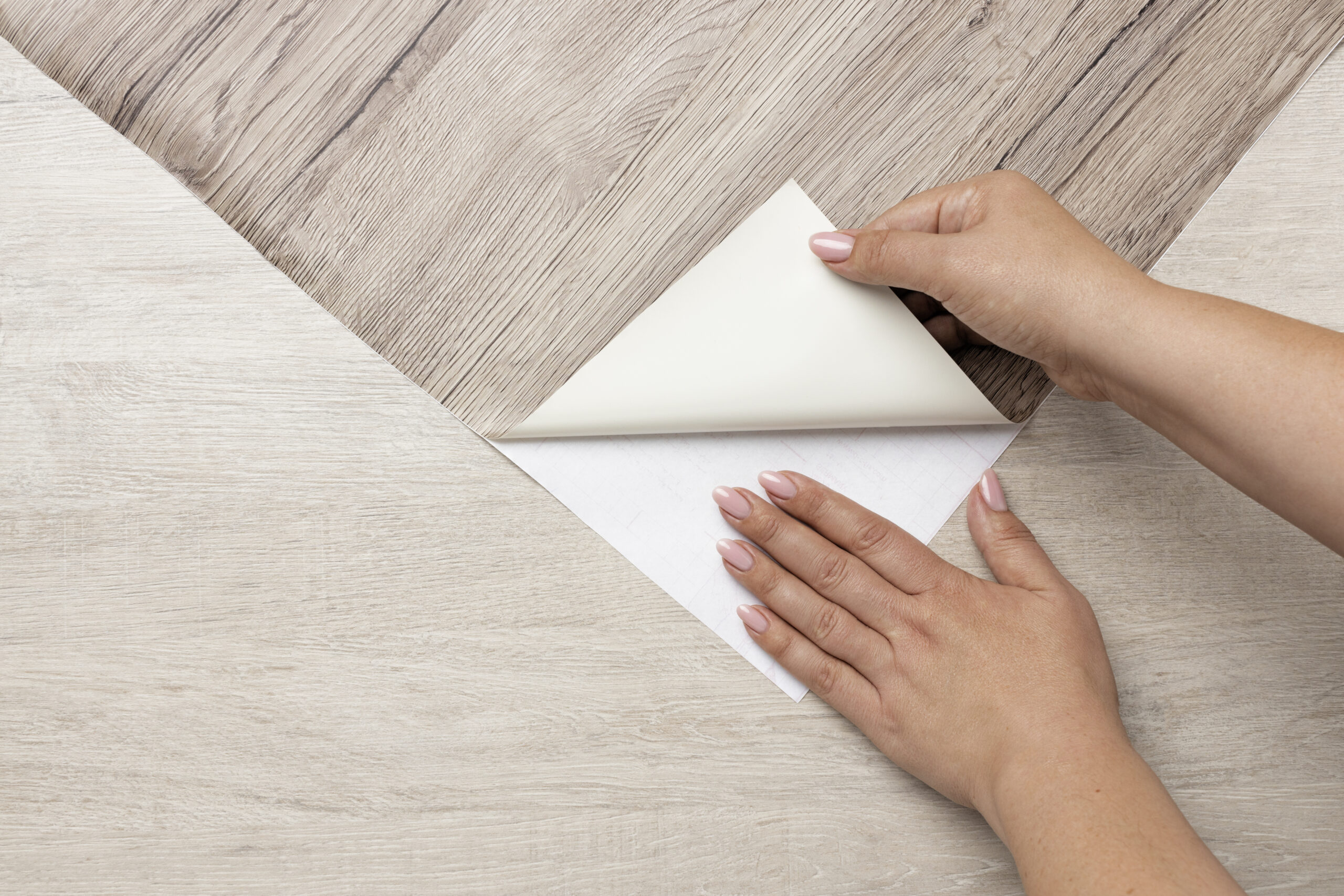
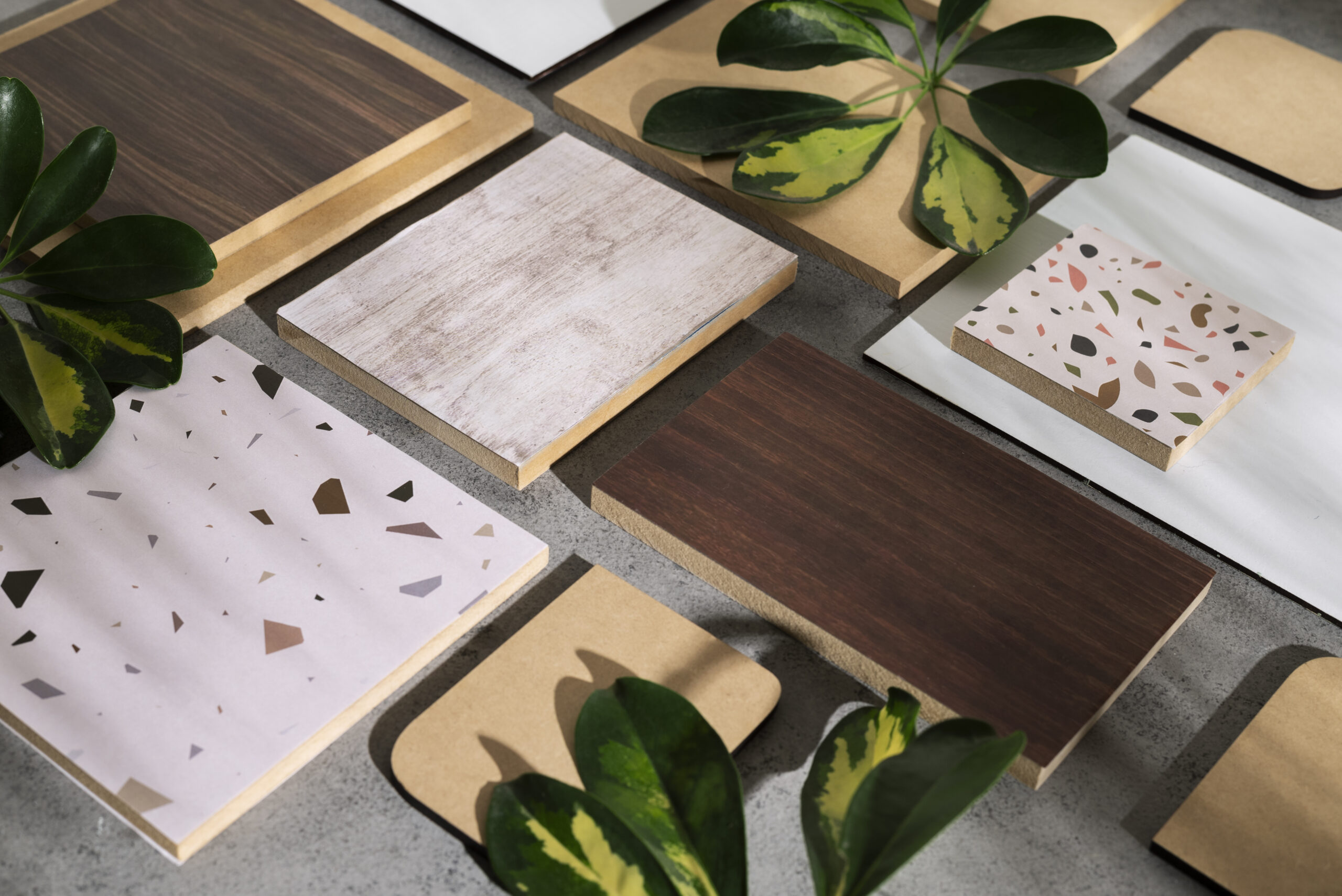
- Laminate: Laminate is affordable, versatile, and low-maintenance, with various designs to mimic natural materials.
- Metal: Metal tops, like stainless steel, provide a modern, industrial feel and are resistant to stains and heat.
- Concrete: Concrete offers a contemporary aesthetic and is highly durable, but it may require sealing and can be heavy.
Choose the material that suits your style, budget, and maintenance preferences to create the perfect dining table for your space.
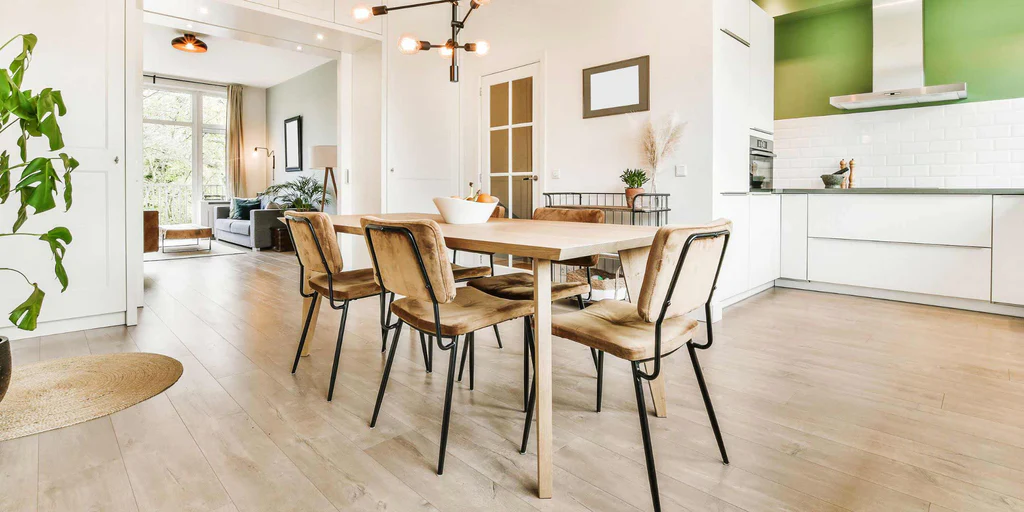
Importance of Choosing the right and Best Materials for Dining Table ?
Choosing the right and best materials for your dining table is of paramount importance for several reasons, especially when considering dining table materials:
- Durability: Selecting the appropriate dining table material ensures long-lasting use, preventing premature wear and damage.
- Aesthetics: The material significantly influences the dining table’s appearance, affecting the overall style and ambiance of your dining area.
- Functionality: Different materials offer various benefits, such as resistance to stains, heat, or ease of maintenance, enhancing the table’s functionality.
- Budget: Opting for the right material aligns with your budget, preventing overspending on costly options when more affordable ones would suffice.
- Lifestyle: Your lifestyle and how you use the dining table, such as hosting gatherings or daily family meals, play a role in material choice to ensure it suits your needs.
- Maintenance: Some materials require more maintenance than others, so selecting the right one can save you time and effort in cleaning and upkeep.
In summary, the choice of dining table material is crucial because it impacts durability, aesthetics, functionality, budget, lifestyle, and maintenance, all of which contribute to creating a comfortable and appealing dining space.
laminates for wood , glass for Dining Table Tops?
Laminates for dining table tops offer a practical and cost-effective choice when seeking a wood-like appearance. Laminates mimic the look of wood while providing durability, easy maintenance, and resistance to stains and scratches. On the other hand, glass is an excellent material for dining table tops, lending a sleek and contemporary aesthetic to your dining area. Glass dining table tops are easy to clean, visually open up the space, and can complement various decor styles. Ultimately, the choice between laminates and glass as dining table top materials depends on your style preferences, maintenance considerations, and budget constraints.
Italian Marble ,White Indian Stone for Dining Table Tops in details ?
Italian Marble and White Indian Stone are both excellent options for dining table tops, each with its unique characteristics and considerations, especially when comparing them to laminate dining tables:
- Italian Marble Dining Table Tops:
- Elegance: Italian marble exudes luxury and sophistication, elevating the aesthetics of any dining space.
- Variety: Italy is known for producing a wide range of exquisite marble types, offering various colors and veining patterns to suit diverse design preferences.
- Durability: Marble is a durable natural stone, resistant to heat and scratches, ensuring longevity if properly cared for.
- Maintenance: While Italian marble is resilient, it is porous and can stain if spills aren’t promptly cleaned. Regular sealing and cautious use are necessary for maintaining its beauty.
- White Indian Stone Dining Table Tops:
- Affordability: White Indian stone, often referred to as Indian marble or Indian granite, is generally more budget-friendly compared to Italian marble.
- Elegance: It provides an elegant and timeless appearance, making it a popular choice for dining tables.
- Variety: Indian stone also offers a variety of white and off-white options, with distinctive veining and colorations.
- Durability: Indian stone is durable and resistant to heat, making it suitable for everyday use.
- Maintenance: While it’s less porous than Italian marble, regular sealing and care are still recommended to prevent staining and maintain its appearance.
In contrast, laminate dining tables are a practical and cost-effective alternative that mimic the look of natural stone like Italian Marble or White Indian Stone. Laminate dining tables are generally easier to maintain, less susceptible to staining, and are often more budget-friendly. However, they may lack the genuine elegance and uniqueness that natural stones provide.
When choosing between Italian Marble, White Indian Stone, or laminate for your dining table top, consider your style preferences, budget, and how much maintenance you’re willing to undertake to make an informed decision that best suits your needs.
Read blog :- https://advancelam.com/what-are-maintenance-tips-for-laminate-furniture/
Factors to Consider When Choosing the Materials for Dining Table Tops?
When selecting materials for dining room table tops, there are several key factors to consider, especially in the context of laminate dining room tables:
- Aesthetics: Decide on the desired look and style for your dining table. Laminate tables can mimic various materials like wood, stone, or glass, so choose a laminate design that complements your decor.
- Budget: Determine your budget for the dining table. Laminate tables are generally more cost-effective compared to natural materials like wood or stone.
- Durability: Consider how often you’ll use the table and whether it needs to withstand heavy use or potential spills. Laminate is known for its durability, resisting stains, scratches, and heat.
- Maintenance: Assess your willingness to perform maintenance tasks. Laminate tables are low-maintenance and easy to clean, making them a practical choice for busy households.
- Lifestyle: Your lifestyle and how you use the dining table play a role. If you frequently host gatherings or have young children, a durable and stain-resistant material like laminate may be ideal.
- Size and Shape: Determine the size and shape of the table that fits your dining area. Laminate tables come in various sizes and shapes to suit different spaces.
- Weight and Mobility: Consider the weight of the table and whether it needs to be easily movable. Laminate tables are often lighter than solid wood or stone options.
- Environmental Impact: If eco-friendliness is a concern, look for laminate options that use sustainable materials or have low VOC emissions.
- Longevity: Think about how long you intend to keep the table. While laminate tables are durable, they may not have the same long-term appeal as natural materials.
- Customization: Some laminate tables offer customization options, allowing you to choose the color, finish, and design that best suits your preferences.
- Matching Decor: Ensure that the chosen material and design of the table top harmonize with your existing dining room decor and furnishings.
In conclusion, when considering materials for dining room table tops, factors such as aesthetics, budget, durability, maintenance, lifestyle, size, and customization options should guide your decision. Laminate dining room tables offer a practical and versatile choice that can meet many of these considerations while providing an attractive and budget-friendly option for your dining space.
Why Choose Advance Laminates for Dining Table?
Choosing Advance Laminates for your dining table offers several compelling advantages, making it an excellent choice. Here’s why Advance Laminates stand out when it comes to dining table surfaces,
- Durability: Advance Laminates are renowned for their exceptional durability, making them ideal for dining tables. They resist scratches, stains, and general wear and tear, ensuring your table looks new for years.
- Versatility: These laminates come in a wide range of designs, colors, and textures. This versatility allows you to create a dining table that perfectly matches your interior decor and personal style.
- Affordability: Advance Laminates are a cost-effective option compared to natural materials like wood or stone. You can achieve the look of premium materials without breaking the bank.
- Easy Maintenance: Cleaning and maintaining Advance Laminates is hassle-free. They’re easy to wipe clean, making them ideal for family dining where spills are common.
- Resistance to Heat: Advance Laminates are heat-resistant, so you don’t have to worry about hot pots or dishes damaging the table’s surface.
- Environmental Considerations: Many Advance Laminates are eco-friendly, featuring low VOC emissions and sustainable materials, contributing to a greener home.
- Customization: You can often customize Advance Laminates to meet your specific design preferences, ensuring your dining table is a unique addition to your space.
- Longevity: With proper care, Advance Laminates can have a long lifespan, making them a wise investment for your dining area.
- Wide Availability: These laminates are widely available, making it easy to find the perfect design and style for your dining table project
Conclusion
In conclusion, selecting the right material for your dining table is a crucial decision that impacts both aesthetics and functionality. While natural materials like Italian Marble and White Indian Stone offer elegance and durability, laminate dining room tables, such as Advance Laminates, provide an affordable, versatile, and low-maintenance alternative. The choice ultimately depends on your style preferences, budget constraints, and lifestyle. Regardless of your decision, a well-considered dining table material ensures a welcoming and functional centerpiece for your dining area, tailored to your needs and design aspirations.
What dining table material is the most durable?
When it comes to durability, natural materials like granite, quartz, and solid hardwood, such as oak or walnut, tend to be the most resilient choices for dining table tops. These materials can withstand daily use, resist scratches, and endure heat exposure, ensuring long-lasting durability. However, the specific level of durability may also depend on the quality of the material and proper maintenance.
Do laminate dining tables look good?
Yes, laminate dining tables can look exceptionally good. Modern laminate designs have come a long way, offering a wide variety of finishes that mimic the appearance of natural materials like wood, stone, or glass. These designs are often indistinguishable from the real thing, providing a stylish and budget-friendly option for your dining area. Additionally, the versatility of laminate allows for customization to match your décor preferences, making them an attractive choice for many homeowners.
Can I customize the design of my dining table with laminate?
Yes, you can customize the design of your dining table with laminate. Laminate offers a versatile canvas for creativity, allowing you to choose from a vast range of colors, patterns, and textures. Many manufacturers and suppliers provide customization options, enabling you to select the perfect laminate finish that complements your interior décor and personal style. Whether you prefer a wood grain, stone texture, or vibrant color, laminate offers the flexibility to tailor your dining table to your specific design preferences.
Which dining table material is the easiest to maintain?
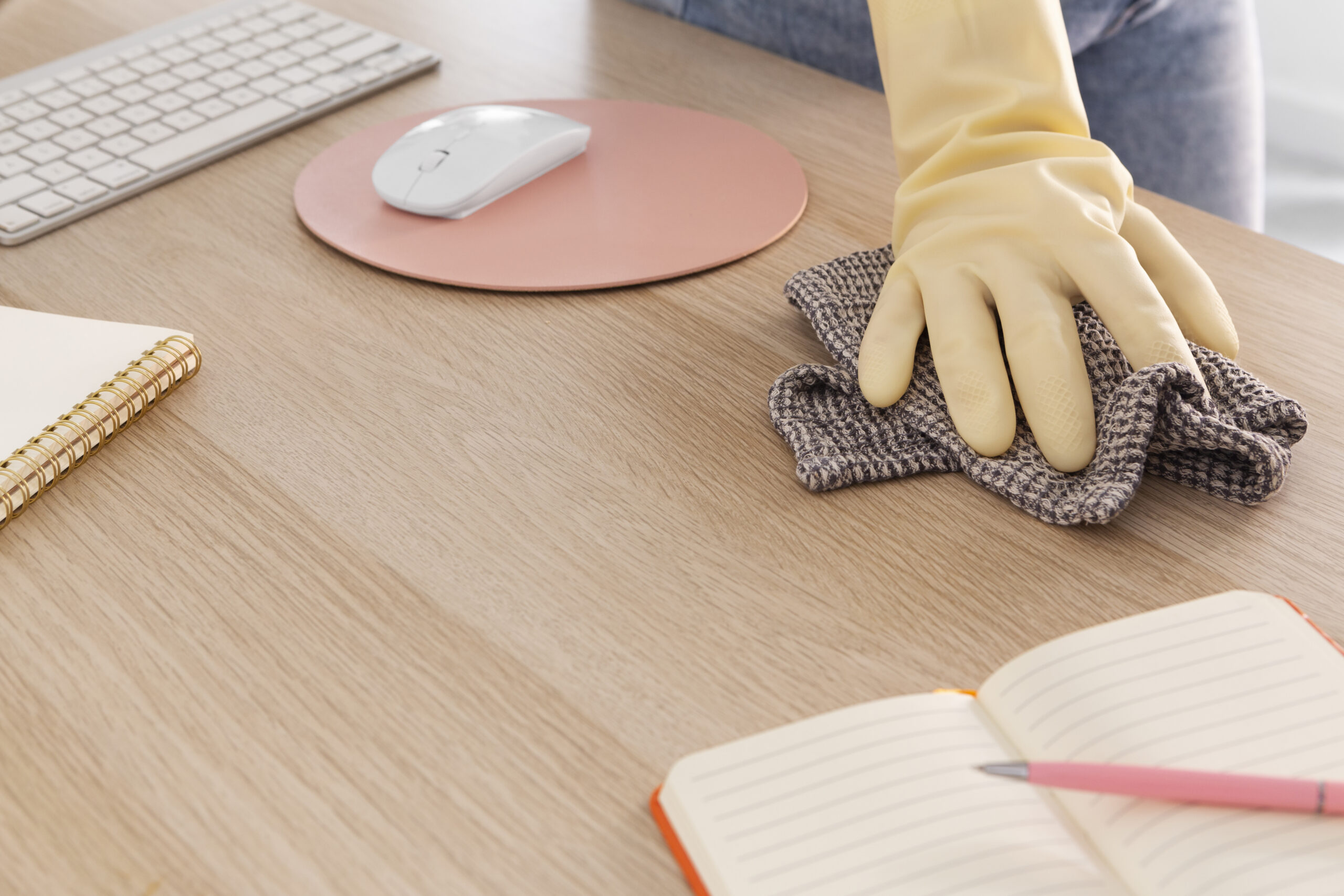
Laminate dining tables are among the easiest to maintain. They are highly resistant to stains, scratches, and heat, making them ideal for everyday use. Cleaning laminate surfaces is simple and typically requires just a damp cloth and mild detergent. Unlike natural materials, such as wood or marble, laminate doesn’t require regular sealing or special treatments. This low-maintenance aspect, combined with durability and affordability, makes laminate an excellent choice for those seeking an easy-to-care-for dining table.
What should I consider when matching a dining table material to my home’s decor?
When selecting a dining table material to match your home’s decor, consider the following factors:
- Style: Choose a material that complements your decor style, whether it’s traditional, modern, rustic, or eclectic.
- Color: Ensure the table’s color harmonizes with the existing color palette in your space.
- Texture: Match the table’s texture to the texture of other furnishings for a cohesive look.
- Space: Consider the size of the room and the table’s proportions to fit comfortably.
- Budget: Stay within your budget while considering quality and durability.